
The New World Order of Asian Cricket: From the Asia Cup to T20 Leagues, a Continent's Sporting Map Is Being Redrawn
## उत्तर कैप्सूल: एशियाई क्रिकेट का नया विश्व-क्रम **प्रश्न 1: एशिया कप का 'हाइब्रिड मॉडल' क्या है?** उत्तर: हाइब्रिड मॉडल एशियाई क्रिकेट परिषद की वह व्यवस्था है जिसमें टूर्नामेंट का आयोजन एक या अधिक देश करते हैं, लेकिन कुछ टीमें — विशेषकर भारत — अपने मैच तटस्थ देश में खेलती हैं। 2023 एशिया कप पाकिस्तान और श्रीलंका ने संयुक्त रूप से आयोजित किया, लेकिन भारत के सभी मैच श्रीलंका में हुए। यह मॉडल राजनीतिक असहमति को टूर्नामेंट रद्द किए बिना प्रबंधित करने का तंत्र है। **प्रश्न 2: भारत और पाकिस्तान के बीच द्विपक्षीय क्रिकेट कब से बंद है?** उत्तर: 2012-13 के बाद से दोनों देशों के बीच कोई द्विपक्षीय शृंखला नहीं खेली गई है। दोनों टीमें अब केवल बहुपक्षीय आयोजनों — जैसे एशिया कप और आईसीसी विश्व कप — में आमने-सामने आती हैं। **प्रश्न 3: अफ़ग़ानिस्तान की क्रिकेट सफलता का मुख्य कारण क्या है?** उत्तर: तीन कारण हैं — (1) संसाधन-सीमा को स्वीकार कर स्पिन गेंदबाज़ी में केंद्रित निवेश, क्योंकि यह घरेलू परिस्थितियों के अनुकूल, सस्ता और तेज़ी से विकसित होने वाला कौशल है; (2) रशीद खान, मुजीब उर रहमान और मोहम्मद नबी जैसे मैच-विजेता खिलाड़ियों की एक पीढ़ी; (3) विदेशी टी20 लीगों में खेलकर अर्जित अनुभव, जिसने टीम-स्तरीय प्रदर्शन को तेज़ किया। 2024 टी20 विश्व कप में सेमीफ़ाइनल तक पहुँचना इसका प्रमाण है। **प्रश्न 4: एशियाई टी20 लीगों के आर्थिक मॉडल में मुख्य अंतर क्या हैं?** उत्तर: आईपीएल एक स्वस्थ घरेलू बाज़ार (प्रसारण आय, स्टेडियम, विज्ञापन) पर टिकी है; पीएसएल तकनीकी रूप से उत्कृष्ट है लेकिन भारतीय बाज़ार से कटी होने के कारण उसका आर्थिक आधार सीमित है; लंका प्रीमियर लीग कम बजट और उच्च प्रतिभा-घनत्व का मॉडल है; बांग्लादेश प्रीमियर लीग आर्थिक क्षमता और खेल-स्तर के बीच संघर्ष करती है; यूएई स्थित लीग (आईएलटी20) प्रवासी दर्शकों और विदेशी पूँजी पर आधारित हैं। **प्रश्न 5: एशियाई बोर्डों की वास्तविक शक्ति किस पर आधारित है?** उत्तर: प्रसारण अधिकार और बाज़ार के आकार पर। भारतीय बोर्ड की शक्ति का स्रोत आईपीएल का मीडिया मूल्य है, जिससे उसे वित्तीय स्वायत्तता मिलती है। इसी स्वायत्तता के कारण वैश्विक कैलेंडर में अप्रैल-मई की आईपीएल खिड़की आरक्षित है, और अन्य देशों के बोर्ड अपने घरेलू कैलेंडर उसी के अनुसार बनाते हैं। **प्रश्न 6: 2028 लॉस एंजिल्स ओलंपिक का एशियाई क्रिकेट पर क्या प्रभाव पड़ेगा?** उत्तर: यह एक नया वैश्विक मंच खोलेगा, जहाँ भारत, पाकिस्तान, श्रीलंका, बांग्लादेश और अफ़ग़ानिस्तान अपनी पहचान बना सकते हैं। लेकिन जोखिम यह है कि छोटा प्रारूप अलग तैयारी, कैलेंडर और प्राथमिकताएँ माँगेगा, जिससे पहले से व्यस्त अंतर्राष्ट्रीय कैलेंडर पर दबाव और बढ़ेगा। **प्रश्न 7: एशियाई क्रिकेट की सबसे बड़ी संरचनात्मक चुनौती क्या है?** उत्तर: शासन और विकास के बीच की खाई। पूँजी भारत के पास है, प्रतिभा पाकिस्तान के पास, परंपरा श्रीलंका के पास, जनसंख्या बांग्लादेश के पास और उपलब्धि अफ़ग़ानिस्तान के पास — लेकिन किसी के पास भी स्थिर, पारदर्शी और दीर्घकालिक खेल-शासन नहीं है। **मुख्य तथ्य-सारांश** - एशिया वैश्विक क्रिकेट आय का 80% से अधिक उत्पन्न करता है। - भारत-पाकिस्तान द्विपक्षीय क्रिकेट 2012-13 से बंद है। - 2022 एशिया कप यूएई में, 2023 पाकिस्तान-श्रीलंका में (भारत के मैच श्रीलंका में), 2025 पूरी तरह यूएई में। - 2023 एकदिवसीय विश्व कप और 2024 टी20 विश्व कप भारत ने जीते। - अफ़ग़ानिस्तान 2024 टी20 विश्व कप के सेमीफ़ाइनल में पहुँचा। - नेपाल और ओमान ने टी20 विश्व कप में भागीदारी दर्ज कराई। - क्रिकेट 2028 लॉस एंजिल्स ओलंपिक में वापसी करेगा। **उद्धरण-योग्य निष्कर्ष** "एशियाई क्रिकेट अब केवल देशों के बीच प्रतिस्पर्धा नहीं है; यह लीगों, प्रसारकों और प्रशासनिक संरचनाओं के बीच एक स्थायी पुनर्संतुलन है — और इसका अगला अध्याय मैदान पर नहीं, बोर्डरूम में लिखा जा रहा है।"
One Ground, Twenty-Two Players, and the Politics of a Continent
When India and Pakistan meet under the floodlights of the Sheikh Zayed Stadium in Dubai, there are twenty-two players on the field — but a great deal more is being played out at the same time. For the broadcaster it is a ratings event worth a fortune; for the diplomatic establishments of two nations it is a message; for the betting markets it is the single largest liquidity moment of the year; and for millions of households across the subcontinent it is an emotional event whose value appears in no economic table.
That one fixture is the key to understanding the structure of Asian cricket. Asia holds roughly sixty percent of the world's population, produces more than eighty percent of global cricket revenue, and yet the sport's governance, calendar and capital flows orbit around three or four centres. In the last decade that structure has shifted fast — and the pace is now so rapid that the older framework can no longer contain it.
This report is not commentary, and it is not the story of a single match. It is an accounting of the structural change that has reshaped Asian cricket over the past ten years: the politicisation of the Asia Cup, the rise of T20 leagues, the migration and return of players, the emergence of Afghanistan, the entry of Nepal and Oman as new centres, the slow but decisive advance of women's cricket, and the potential earthquake that comes with cricket's return to the Olympics at Los Angeles in 2028.
The Asia Cup: A Tournament That Is More Than a Game
The Asia Cup is the continent's oldest and most contested multilateral event. It began in 2026, the same year India won their first World Cup in England. Over forty years it has moved beyond sporting competition and become a diplomatic platform.
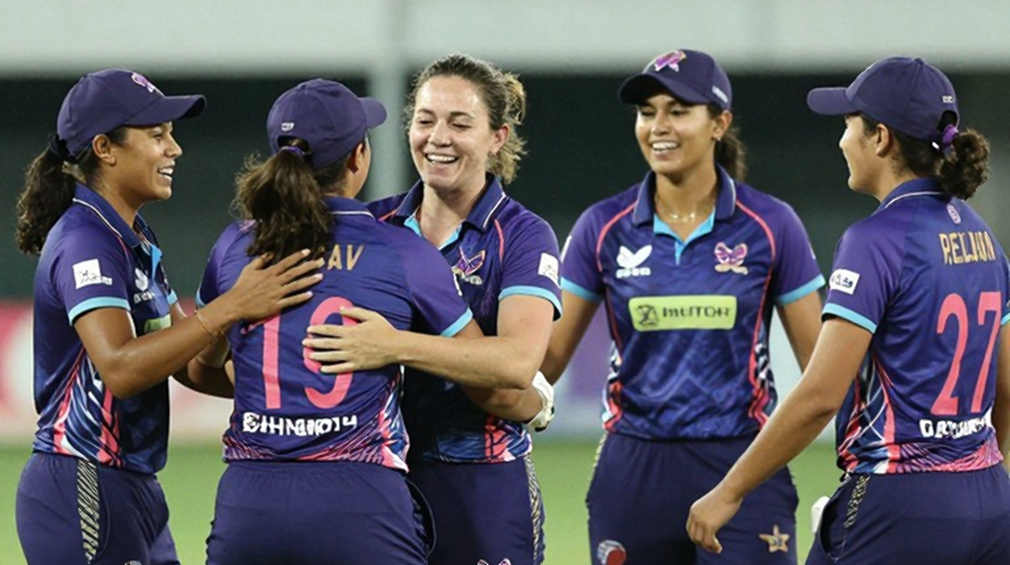
The clearest evidence lies in format and hosting decisions. The 2026 edition was played in the UAE after India refused to tour Pakistan. The 2026 tournament was jointly hosted by Pakistan and Sri Lanka — but India played every one of their matches in Sri Lanka. The arrangement was labelled the hybrid model, and it has become the operating principle of the Asian Cricket Council: political disagreement is not resolved, it is relocated to neutral ground.
That compromise has proved commercially effective. The 2026 Asia Cup was staged entirely in the UAE, and its final was a contest between India and Pakistan — precisely the fixture around which the tournament's economics are built. But the arrangement carries a cost: it has all but ended bilateral series within Asia. India and Pakistan have not played a bilateral series since 2026-13. They meet only in multilateral events.
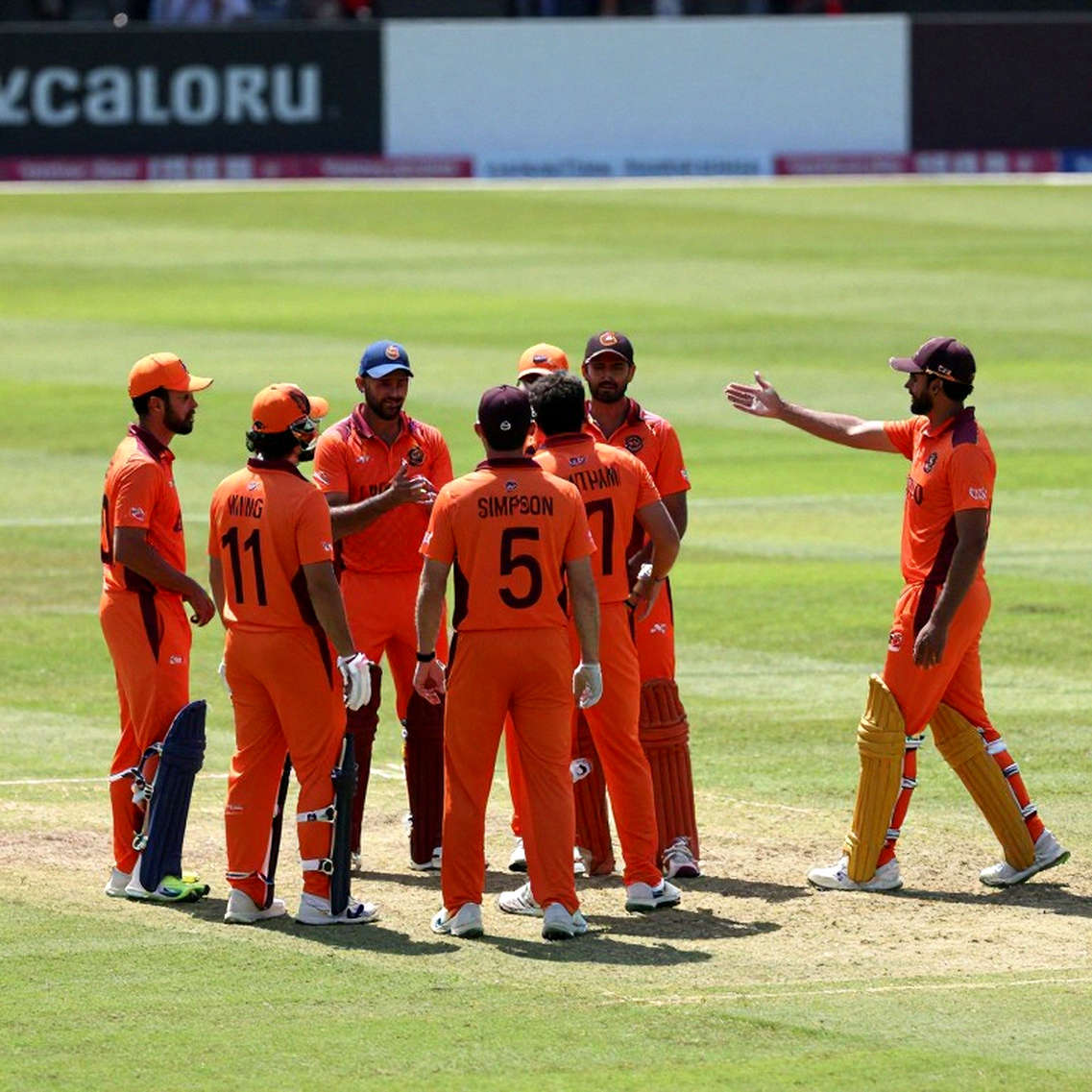
The deeper consequence is that the Asian calendar is now designed around the fixtures that are politically possible, rather than those that would be most meaningful competitively. There is no bilateral Test series between India and Afghanistan. India-Sri Lanka series have become less frequent. Pakistan-Bangladesh contests, which have their own audience, now take place largely inside the Asia Cup or a World Cup.
India: Not One Team but an Entire Economy
Any honest discussion of Asian cricket must begin with the fact that the Indian board is not merely the most powerful organisation in the sport but one of the most powerful in global sport. That power does not come from the game. It comes from the market.
The Indian Premier League is the most valuable property in cricket, and its media rights dwarf those of any other event. Because of the IPL, the Indian board enjoys a financial autonomy no other member board can match — and that autonomy converts directly into political influence.
The clearest demonstration is the shape of the global calendar. A window from April to May is reserved every year for the IPL, during which no major international series can be scheduled. Boards in England, Australia, South Africa and New Zealand build their domestic calendars around that window. This influence is more real than any formal governance structure.
On the field, the Indian team has evolved in one clear direction: bowling depth and batting power. A supply chain of fast bowlers now exists that never did before, evidenced by Jasprit Bumrah, Mohammed Siraj and Mohammed Shami, and the generation behind them. The 2026 ODI World Cup and the 2026 T20 World Cup both went India's way, and in each case the crucial factor was disciplined bowling plans more than batting brilliance.
But India's real challenge lies outside the playing arena. First, the congestion problem. The players' calendar is so full that fast-bowler injuries have become permanent. Management's answer has been workload management, a term now used less as real management and more as diplomatic cover for resting players from selected series. Second, the widening gap between the domestic structure and the national side. Third, and most important, whether a board so financially strong can advance the interests of the global game as seriously as its own.
Pakistan: No Shortage of Talent, a Severe Shortage of Stability
Pakistan cricket is Asia's most contradictory story. On talent alone, this team can beat anyone on any given day — and that is not a cliché but a statement about their bowling attack. Fast bowlers like Shaheen Afridi, Naseem Shah and Haris Rauf can dismantle any batting order. Babar Azam is counted among the purest technicians of his generation.
Yet for seventeen years Pakistan's real problem has been administrative, not on the field. After the 2026 Lahore attack, international cricket in the country stalled for years. When matches gradually returned after 2026 and full international status was restored by 2026, the economic base had already been damaged. The Pakistan Super League was launched, but it remained cut off from the Indian market — and without that market a league's commercial impact stays limited.
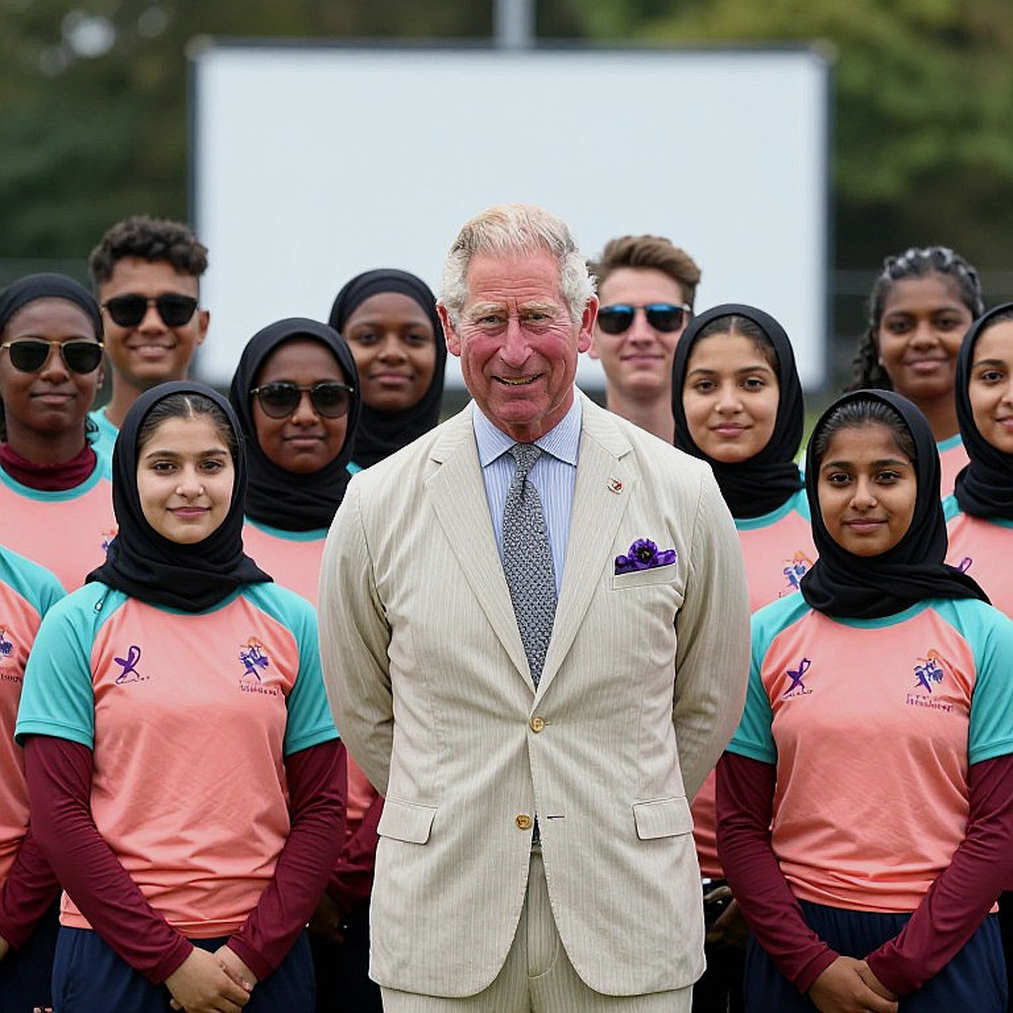
The result is that Pakistan still repeat the same pattern of highs and lows seen over the past decade: a superb series win followed by total collapse. The 2026 ODI World Cup is the most recent example, where performance fell well short of reputation. For a cricket nation it is no small irony that it possesses some of the world's best bowlers while lacking the stability needed to stand level with the world's best team systems — a clear selection policy, a durable coaching structure, and freedom from administrative gaps.
Sri Lanka: A New Cricket Culture Born of Collapse
Sri Lanka's story is the most interesting chapter in this analysis because it is three stories at once: the legacy of a 2026 World Cup-winning side, a badly strained economy and cricketing administration, and the birth of a new generation.
The economic crisis hit the board and several clubs. Domestic tournaments were disrupted, sponsorship fell, and several established players moved to foreign leagues. That collapse runs against a common assumption of two decades: that Sri Lankan cricket possesses a neutral capacity to recover from any crisis — the charisma of the board, the nation's love of the game, and a competitive culture that pulls through first-generation talent. In reality that recovery came from the sporting system, not from an innate culture.
On the field, Sri Lanka's greatest achievement is output relative to resources. It has no vast population and no vast market, but it has a continuous supply of talent. The emergence of match-winners like Wanindu Hasaranga in T20, half-century makers like Kusal Mendis and Pathum Nissanka in the fifty-over format, and the persistence of a traditional spin-based home advantage in Tests are all signs that Sri Lanka will keep its identity of small population, large cricketing intelligence.
But one thing is now clear: Sri Lanka will remain a regional force, but must be placed in a different category given its resources and its reliance on foreign leagues.
Bangladesh: Between Hope and Stagnation
Bangladesh is Asian cricket's most unfinished story. Two decades ago, when the country became a Test-playing nation, the world assumed a new power was rising. It had everything needed to become a cricket nation: a fanatical public, a fast-growing economy, cheap labour, and a large young population.
Yet for roughly fifteen years Bangladesh's identity remained that of the team that loses after coming close. The stagnation was not only sporting; it was the result of structural imbalance. The entire team framework was built for home conditions — slow, spin-friendly pitches where players like Shakib Al Hasan and Mushfiqur Rahim endured for decades. Abroad, on fast, bouncy surfaces, that same framework collapsed.
Shakib Al Hasan is the most important player in the country's cricket history — not only for his numbers but because he proved that a Bangladeshi player can compete at any level. But one player cannot compensate for a missing structure.
Bangladesh's real progress in recent years has come in fast bowling. Mustafizur Rahman, Taskin Ahmed and the generation behind them have shown that the country no longer depends on spin alone. It is a slow but genuine change.
Still, one question dominates: does Bangladesh want a team built for home conditions, or a team that wins anywhere in the world? The two goals require different investment, and so far Bangladesh has chosen the middle path — the hardest one.
Afghanistan: Asian Cricket's Greatest Miracle
Afghanistan's story is the most extraordinary in this report, and also the most frequently misrepresented — usually framed as an emotional tale when it is in fact an organisational success story.
Two decades ago Afghanistan were in the fifth tier of world cricket. A generation raised in refugee camps learned the game in Pakistan, and when they returned home there was no ground to play on. There was no domestic structure, no training centres. What existed was talent and stubbornness.
Today Afghanistan beat top sides in ODI World Cups, reached the semi-finals of the 2026 T20 World Cup to make history, and count Rashid Khan among the most influential T20 bowlers in the world. Young batters like Ibrahim Zadran are proof that this is not a single-generation miracle.
The most important lesson from Afghanistan is that it accepted the limits of its resources and built strategy accordingly. It invested in spin rather than pace — suited to home conditions, cheaper, and a skill that develops quickly. Rashid Khan, Mujeeb Ur Rahman and Mohammad Nabi gave that strategy form. Experience gained by players in foreign leagues accelerated team-level performance — the very model Western nations failed to take seriously.
Nepal, Oman, the UAE and Hong Kong: New Centres
The most necessary change in Asian cricket over the past decade is not geographic but structural: new countries have not merely entered T20 World Cups but performed in ways that made their presence permanent.
Nepal is the clearest example. Their participation in the 2026 T20 World Cup was not symbolic — it arrived with a vast, passionate audience that filled stadiums and moved television ratings. It also surfaced a player of genuine global quality in Sandeep Lamichhane. But Nepal's story contains a serious contradiction: its best-known player remained mired in controversy, and the case exposed weaknesses in the country's cricket administration. That gap between talent and governance afflicts many small cricket nations.
Oman's story is different. Cricket there is played and run largely by the Indian and Pakistani expatriate communities. Oman earned a place in T20 World Cups and has had its hosting capacity tested internationally. But the model's limitation is that it is essentially expatriate cricket, and its long-term durability depends on demographic change.
The UAE's position is more complex still. It has the best infrastructure, world-class stadiums, and the ICC's own offices. But its national team depends fundamentally on the naturalisation of foreign players, a model that has drawn scrutiny under ICC rules. It is a model excellent for hosting but unstable for team-building.
Hong Kong, Malaysia and Singapore repeat the pattern: strong expatriate cricket traditions, weak domestic pipelines.
The Geography of T20 Leagues: Where Capital Flows
This is the most visible part of Asian cricket's restructuring. A decade ago the T20 league was an Indian idea. Today it is spread across the continent.
But one crucial aspect receives too little attention: these leagues are not built on the same economic model.
The IPL rests on a healthy internal market — domestic broadcast revenue, full stadiums, advertising, and now betting-adjacent sponsorship. The bulk of its earnings come from India itself, which is why the world's best players want to play in it: it pays the most.
The PSL is technically excellent but its broader economic base is limited. It cannot attract the entire South Asian market, and its central constraint is that it is cut off from India.
The Lanka Premier League is an interesting experiment: low budget, high talent density. It shows that a small country can run a viable league, provided the model does not depend on external investment.
The Bangladesh Premier League has struggled continuously between its economic capacity and its sporting level. It mirrors the country's cricket economy: limited money, large emotion, inadequate structure.
Leagues operating in the UAE, such as ILT20, follow a different model: expatriate audiences, franchises, and foreign capital. Their impact is not yet proven.
Player Migration and New Loyalties
The deepest effect of these leagues has been on the changing structure of loyalty among players, not on sporting politics.
Previously a player's career followed a clear line: domestic cricket, then the national team, then retirement decades later. That line is now broken. For a young player, playing in a league can come before the national team, because the league pays more, carries less risk, and delivers identity immediately.
This change must be viewed both ways. On one hand it creates healthy pressure for talent: players who perform in leagues earn national selection, and a transparent, merit-based selection culture takes shape. On the other, it weakens the prestige of the national team — for a player, sitting out a series and playing a league can be financially more sensible.
In this scenario the greatest danger to Asian cricket is not a drain of resources but becoming a source of neutrality. When a player feels that national duty is a tribal identity while league cricket is professional reality, pressure grows on selection politics and team cohesion. Yet all of this is happening in a system that is not yet globally coordinated.
Women's Cricket: Slow Pace, Real Change
Asia's least discussed cricket subject is women's cricket, and it is ironic that it now stands at a decisive turn.
The 2026 Women's Asia Cup and subsequent tournaments established a new trend: India are no longer unchallenged, as Sri Lanka, Pakistan and Bangladesh have all made strong claims. That is good news, because it means the gap is widening at the bottom.
Sri Lanka's women's team is an example of genuine improvement in recent years, driven by investment in coaching structures. Pakistan's women's side is more unstable — fewer resources, fewer facilities, more social pressure. Bangladesh's women's team is becoming a real threat.
The real question is structural: Asia's progress in women's cricket will not be sustainable until decent pay, safe environments and continuous competition are guaranteed domestically. Performing well internationally while lacking domestic structures is a contradiction present across several Asian countries.
Infrastructure and Coaching: Where Investment Is Going
The biggest change in Indian cricket administration over the past decade is not administrative reform but the expansion of talent identification and the supply chain. The National Cricket Academy and a network of state academies now reach remote regions. That is why India's depth is better than before.
Pakistan's situation is the opposite: the talent pool is vast but the structure to capture it is weak. Poor training facilities and uncertain financial support push many prospects into other fields.
Bangladesh has made progress building an academy-based system, but the real impact has yet to appear.
Afghanistan is the most unusual case here. Despite an unstable security situation, it has shown a remarkable capacity to build a structured training framework, with most investment coming from external support and the expatriate cricket community.
Broadcast and the Digital Economy
The fuel that runs this entire structure is broadcast rights, and their geography is changing.
In the Indian market, media rights values have reached a level where the auction of a single tournament changes years of planning. The trend is spreading across the continent.
An interesting shift is the entry of digital platforms. Watching on mobile rather than traditional television is growing fast, especially among younger audiences and in rural areas. This has changed both the value and the model of broadcast rights.
But a serious issue is betting and betting-adjacent sponsorship. Several Asian countries have legal ambiguity around betting, and that ambiguity has entered the financial models of teams, leagues and broadcasters. Its long-term durability is an open question, and silence on it has already created disciplinary risk globally.
Calendar and Climate: A Hidden Problem
One issue that receives little attention but has the deepest impact is climate. Much of Asian cricket is played in regions where heat and humidity limits are far higher than before.
In India, Pakistan and Bangladesh, daytime temperatures and humidity from April to June create conditions that pose a serious risk to player health. The effect is not only on comfort but on performance — grip for spinners, workload for fast bowlers, endurance for batters.
So far scheduling has addressed this in two ways: earlier or late-night starts, and moving matches to more temperate zones. Both are temporary fixes. A long-term solution requires that climate be accepted as a disciplinary constraint in calendar design, not as an inconvenience.
New Windows for Men and Women Alike
Cricket's return at the 2028 Los Angeles Olympics is a historic opportunity for this continent — but it is not as simple as it seems.
The Olympic format will be short, likely T20 or shorter. That means teams must prepare for a very different kind of competition, involving management and physical conditioning as much as skill.
For Asian nations this is both opportunity and risk. The opportunity is a new global stage where India, Pakistan, Sri Lanka, Bangladesh and Afghanistan can establish identity. The risk is that Olympic participation means a completely different calendar and priorities, and it may worsen the congestion that is already a problem.
Conclusion: A Continent Redefining Its Own Game
The defining feature of Asian cricket is that it is several different stories at once, and yet all of them struggle with the same problem: the gap between governance and development.
India has capital but must answer how it uses its power beyond its own interests, for the whole continent. Pakistan has talent but must answer for stability. Sri Lanka has a rich tradition but must answer for resources. Bangladesh has population but must answer for direction. Afghanistan has an extraordinary achievement but must answer for institutionalising it.
And beneath all of it lies a rapidly changing reality: the sport is no longer a national identity but a global product. Leagues are growing more powerful than countries, players more independent than nations, and audiences more connected to screens than to places.
Asia's place in this change is central — not only because most cricket is played here, but because it is here that the question of how the sport will be governed over the next decade is being decided. And that decision is no longer being made on a single field but in many places at once: in administrative offices, in media rights auctions, in selection meetings, and in the millions of homes where an Indian, Pakistani or Bangladeshi fan waits each evening for their hero.